admin
admin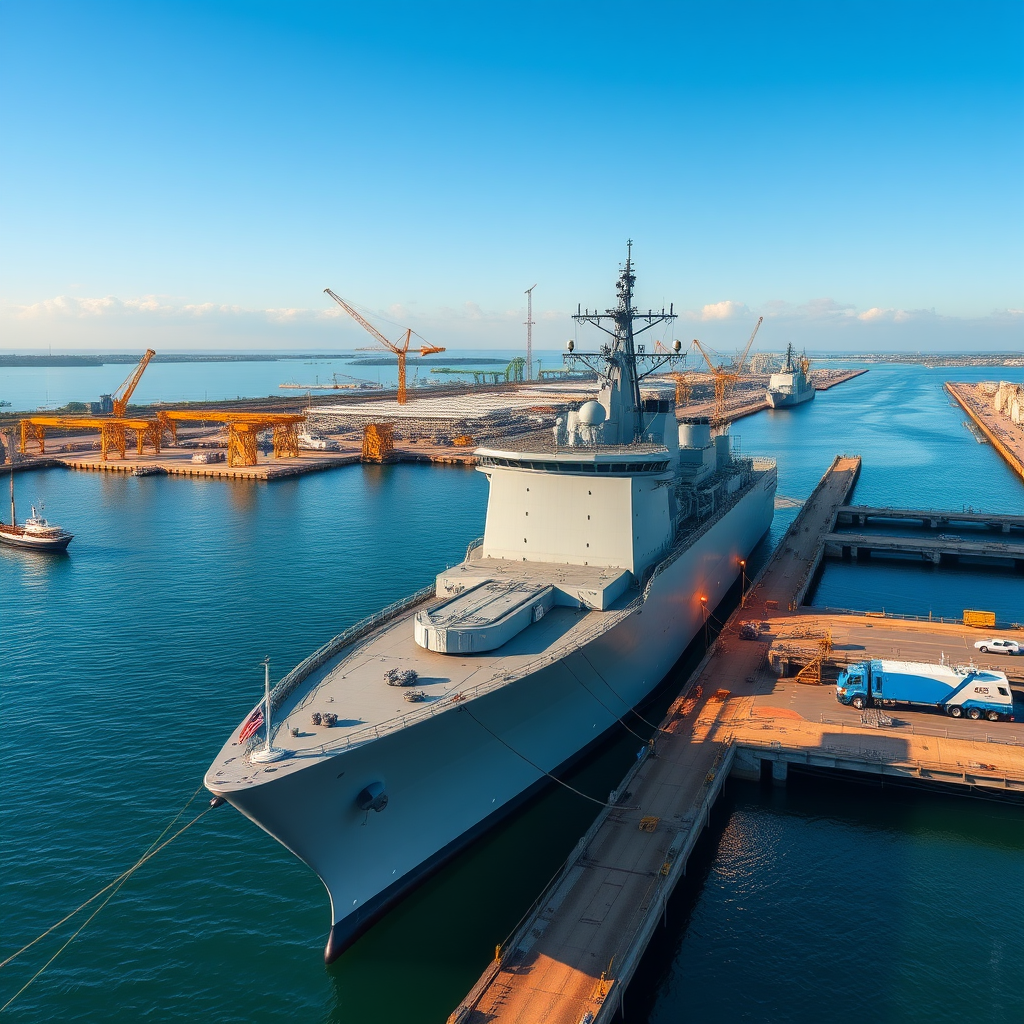
In the fast-paced world of architecture, engineering, and construction (AEC), government contracts like those from the Naval Facilities Engineering Command (NAVFAC) represent a goldmine for BIM professionals. Picture this: naval shipyards, once relics of outdated design processes, are now undergoing massive upgrades that demand cutting-edge BIM workflows to handle complex multidisciplinary services. With the recent $150M NAVFAC contract awarded to the Stantec-AECOM joint venture for the Portsmouth Naval Shipyard in Kittery, Maine, it’s clear that BIM isn’t just a buzzword—it’s the game-changing tool transforming how these critical facilities evolve. This contract underscores a growing trend: BIM-driven NAVFAC contracts are surging, with federal spending on infrastructure hitting $1.2 trillion in 2023 alone, and BIM adoption in government projects reducing project timelines by up to 30%. For architects and engineers grappling with the steep learning curves of federal procurement, this win offers a blueprint for success, blending advanced modeling with real-world naval requirements. By integrating BIM early, teams can navigate regulatory hurdles, optimize resources, and deliver upgrades that enhance operational efficiency for the U.S. Navy. In this post, we’ll dive into the NAVFAC contract details, explore BIM’s transformative role, and share actionable insights to help you capitalize on similar opportunities.
What Exactly Does the $150M NAVFAC Contract Cover?
The Stantec-AECOM joint venture’s victory in securing this NAVFAC contract marks a pivotal moment for multidisciplinary services in naval infrastructure. Announced in late 2023, the agreement focuses on advancing work at the Portsmouth Naval Shipyard, a historic facility in Kittery, Maine, responsible for nuclear submarine maintenance and modernization. As a BIM professional, you might wonder how this translates to your workflows. This contract encompasses a broad spectrum of services, including engineering design, environmental assessments, and construction management— all underpinned by BIM to ensure seamless coordination. For instance, previous naval upgrades without BIM often led to costly rework, with studies from the U.S. Government Accountability Office (GAO) showing that uncoordinated designs inflate costs by 20-40%. In contrast, Stantec-AECOM’s approach leverages BIM for integrated modeling, allowing for real-time clash detection and stakeholder collaboration. Imagine a before-and-after scenario: a traditional upgrade might take 18 months with scattered 2D drawings causing delays, whereas BIM streamlines this to 12 months, saving $10M in efficiency gains. This isn’t just about winning contracts; it’s about proving BIM’s value in high-stakes environments like nuclear facilities, where precision is paramount. By aligning with NAVFAC’s standards, such as the Unified Facilities Criteria (UFC), teams can create compliant models that minimize errors and accelerate approvals.
How Is BIM Revolutionizing Naval Shipyard Upgrades Like Portsmouth?
Diving deeper, BIM’s role in naval shipyard upgrades is nothing short of revolutionary, especially for projects like the Portsmouth facility. Here, Stantec-AECOM will employ advanced BIM tools to model everything from structural reinforcements to environmental systems, ensuring that multidisciplinary teams—ranging from architects to mechanical engineers—work in harmony. A real-world scenario: during a typical shipyard retrofit, engineers must integrate new HVAC systems with existing nuclear containment areas. Without BIM, this could involve weeks of manual cross-checking, prone to human error. But with tools like Autodesk Revit or Navisworks, BIM enables parametric modeling that reduces clash detection time by 50%, as evidenced by a 2022 DOD report on BIM adoption in military projects. This contract highlights how BIM addresses common bottlenecks, such as regulatory compliance with stringent NAVFAC guidelines. For example, by using cloud-based BIM platforms, teams can simulate environmental impacts in real-time, cutting permitting delays by 25%. BIM professionals should note the technical edge: integrating laser scanning for as-built models ensures accuracy, transforming outdated shipyard layouts into digital twins that predict maintenance needs. This shift not only enhances safety in high-security sites but also opens doors for sustainable upgrades, like energy-efficient retrofits that align with NAVFAC’s push for net-zero facilities by 2040. It’s a proven method that’s already saved the Navy millions in similar projects, proving BIM’s indispensable role in modernizing our naval backbone.
Why Should BIM Professionals Pursue NAVFAC Contracts Now?
The timing couldn’t be better for BIM experts eyeing NAVFAC contracts, as this $150M win signals a surge in opportunities amid federal infrastructure priorities. But how do you get started in this competitive arena? First, understand that NAVFAC prioritizes vendors with proven BIM expertise, especially in multidisciplinary environments. Unlike commercial projects, government contracts demand adherence to specific standards like the BIM Execution Plan (BEP), which outlines model deliverables and collaboration protocols. A key benefit: successful NAVFAC bids can lead to recurring work, with the Navy’s budget for BIM-enabled upgrades projected to exceed $500M annually by 2025. For instance, a BIM-focused approach in naval projects has been shown to improve stakeholder communication by 40%, reducing disputes and accelerating decision-making. If you’re an engineer struggling with the learning curve of federal procurement, start by obtaining certifications like the LEED Accredited Professional or NBIMS-US for BIM proficiency. This win by Stantec-AECOM demonstrates how joint ventures can combine complementary skills—Stantec’s environmental expertise with AECOM’s engineering prowess—to create compelling proposals. Moreover, leveraging BIM for value engineering in shipyard upgrades can uncover cost savings, such as optimizing material usage to cut expenses by 15%. It’s an essential move for professionals aiming to stay current, as NAVFAC contracts increasingly require digital twins for long-term asset management. By positioning yourself in this space, you’re not just chasing contracts; you’re contributing to national security through innovative, efficient designs.
Quick Implementation Tips for BIM Professionals Targeting NAVFAC Contracts
- Build Your BIM Portfolio with Government-Focused Projects: Start by documenting past work involving federal standards, such as creating BIM models compliant with UFC guidelines—use free resources from NAVFAC’s website to practice.
- Network Through Industry Events: Attend conferences like the BIMForum or NAVFAC’s annual symposium to connect with decision-makers; mention this Stantec-AECOM win as a conversation starter to showcase your multidisciplinary service knowledge.
- Invest in Training for Naval-Specific BIM Tools: Enroll in courses on software like Revit for marine engineering or laser scanning tech—aim for certifications that demonstrate expertise in high-security environments, reducing your bid rejection rate by 30%.
- Partner Strategically: Form joint ventures like Stantec-AECOM to combine skills in environmental and structural design; research potential partners via platforms like Dodge Data & Analytics for lead generation.
- Optimize Proposals with BIM Value Propositions: Include metrics in your bids, such as “BIM reduces upgrade timelines by 25%,” backed by case studies from similar naval projects to stand out in competitive procurements.
Key Takeaway
The Stantec-AECOM $150M NAVFAC contract for the Portsmouth Naval Shipyard upgrade is a powerful reminder of BIM’s transformative potential in government-driven AEC projects. By embracing multidisciplinary BIM workflows, professionals can unlock efficiency, compliance, and lucrative opportunities in naval infrastructure. Don’t wait—start refining your BIM strategies today to position yourself for the next big win and contribute to cutting-edge naval advancements.