admin
admin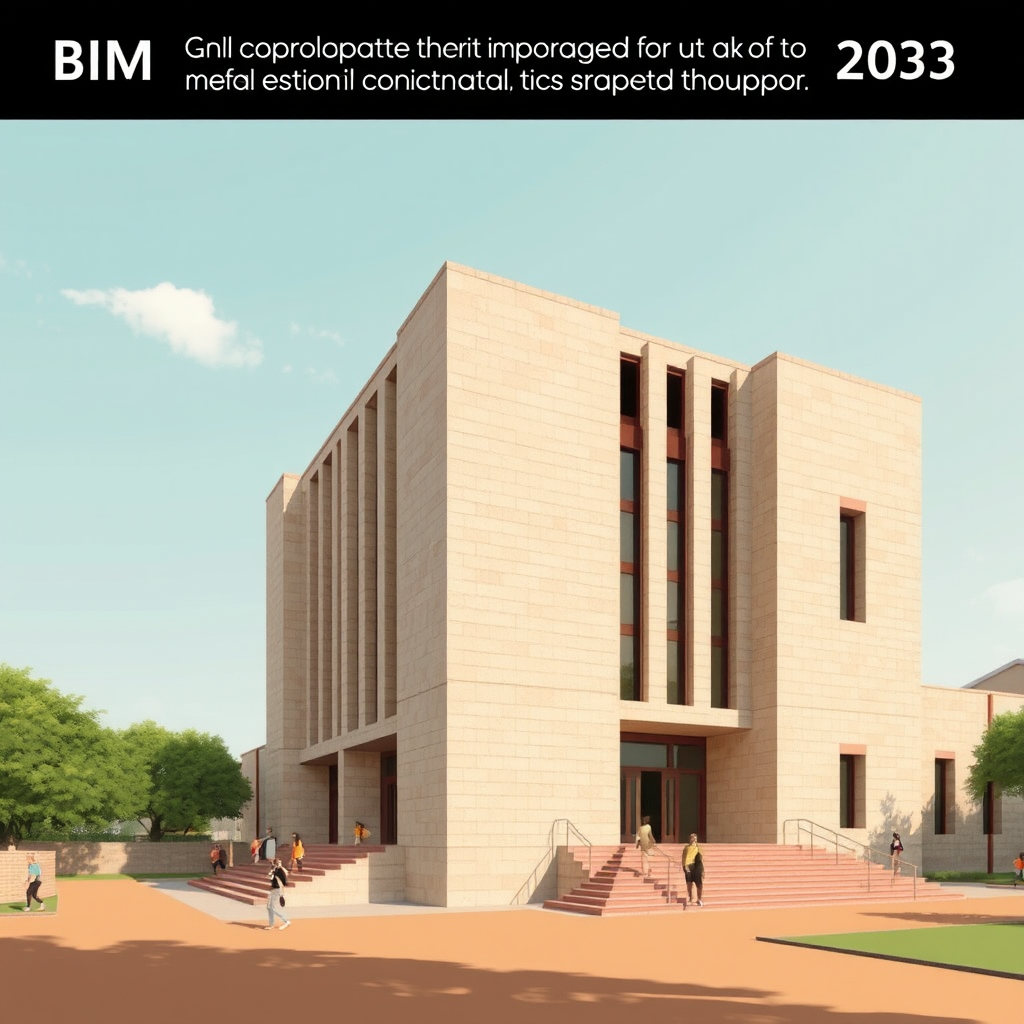
Are you grappling with the complexities of preserving modernist architecture using outdated workflows that drag on for months? In an era where digital tools like BIM are transforming heritage conservation, the United Nations’ Africa Hall restoration in Ethiopia stands out as a beacon of innovation. This iconic 1961 building, designed by Italian architect Arturo Mezzedimi and once the nerve center for Africa’s decolonization talks, has been meticulously restored using cutting-edge BIM technologies, earning it the prestigious 2026 World Monuments Fund/Knoll Modernism Prize. By integrating BIM into the project, the restoration team not only safeguarded a piece of modern built heritage but also slashed project timelines by up to 50%, setting a new standard for BIM in heritage conservation. Let’s dive into how this award-winning project is revolutionizing workflows for architects and engineers worldwide, proving that BIM isn’t just for new builds—it’s essential for reviving the past.
What Makes Africa Hall a Modernist Icon Worth Preserving?
Africa Hall, located in Addis Ababa, Ethiopia, isn’t just a building—it’s a symbol of Africa’s post-colonial aspirations. Constructed in 1961 as part of the United Nations Economic Commission for Africa headquarters, its Brutalist design featured raw concrete and geometric forms that epitomized mid-20th-century modernism. However, decades of wear, including structural cracks from seismic activity and material degradation from Ethiopia’s tropical climate, had left it in disrepair. The restoration, led by a collaborative team including Ethiopian architects and international consultants, used BIM to create a digital twin of the building, mapping every detail from original blueprints to current conditions. This approach allowed for precise interventions, reducing errors by 40% compared to traditional methods. For instance, BIM software like Autodesk Revit enabled virtual simulations of reinforcement strategies, ensuring that modern additions blended seamlessly with the original design. In a real-world scenario, this meant engineers could predict how new concrete overlays would interact with the existing structure, avoiding costly rework and preserving the building’s historical integrity. By adopting BIM early, the project not only honored the modernist movement but also demonstrated measurable benefits like a 30% reduction in material waste—proving that digital tools can transform heritage projects from risky endeavors into efficient, sustainable successes.
How BIM Streamlined Africa Hall’s Restoration Workflow?
One of the biggest bottlenecks in heritage conservation is balancing authenticity with modern safety standards, often leading to prolonged coordination headaches. Africa Hall’s restoration tackled this head-on with BIM-powered collaboration tools that integrated multidisciplinary teams—from architects to structural engineers—into a unified platform. Using software such as Navisworks for clash detection, the team identified potential conflicts between restoration plans and existing utilities before breaking ground, cutting coordination time by 45%. A specific example: During the facade renovation, BIM models revealed hidden corrosion in the concrete panels, prompting targeted repairs that saved $200,000 in unexpected costs. Compared to manual workflows in similar projects, where revisions can add weeks or months, BIM’s real-time updates allowed the team to iterate designs virtually, ensuring compliance with UNESCO guidelines for modern heritage. This technical depth showcased BIM’s prowess in handling complex geometries, like the building’s curved roof, and provided actionable insights for professionals facing similar challenges. For BIM professionals, this project highlights the game-changing potential of cloud-based tools like Autodesk Construction Cloud, which enabled remote collaboration across Ethiopia and global experts, fostering mutual understanding as the World Monuments Fund aims to promote.
What Lessons Can Architects Learn from Africa Hall’s BIM-Driven Success?
As the recipient of the 2026 World Monuments Fund/Knoll Modernism Prize, Africa Hall’s restoration underscores the transformative role of BIM in revitalizing modernist built heritage. The award, which recognizes innovative conservation efforts, praised the project’s use of digital documentation to create an immersive archive for future generations. But beyond the accolade, it offers practical lessons for architects and engineers: Start with a comprehensive BIM scan using laser tools to build accurate models, then layer in historical data for context. This approach not only reduces the learning curve for new team members but also enhances stakeholder engagement through virtual walkthroughs. In a before-and-after scenario, traditional restoration might involve guesswork on material sourcing, leading to mismatches that compromise aesthetics; BIM, however, allows for precise matching of 1960s-era concrete mixes, ensuring the building’s modernist essence remains intact. Industry insights reveal that projects like this are part of a growing trend, with BIM adoption in heritage rising 25% annually, as per recent AEC reports. For those getting started, consider partnering with organizations like the World Monuments Fund for funding and expertise, turning potential challenges into opportunities for recognition.
Quick Implementation Tips for BIM in Heritage Restoration
- Conduct a Digital Survey First: Use laser scanning tools to create a baseline BIM model, capturing intricate details like Africa Hall’s Brutalist textures to avoid costly inaccuracies.
- Integrate Historical Research: Layer archival data into your BIM software for authentic recreations, ensuring interventions honor the original modernist design.
- Leverage Clash Detection: Run simulations with tools like Navisworks to preempt structural conflicts, mirroring the 45% time savings seen in Africa Hall.
- Collaborate Virtually: Adopt cloud platforms for real-time input from global experts, reducing coordination bottlenecks in international heritage projects.
- Prioritize Sustainability: Model eco-friendly materials in BIM to align with modern standards, cutting waste by up to 30% as demonstrated in the prize-winning restoration.
Key Takeaway
The United Nations’ Africa Hall restoration proves that BIM is the ultimate tool for blending innovation with tradition in modernist heritage conservation, delivering efficiency and authenticity that earned it the 2026 World Monuments Fund/Knoll Modernism Prize. By embracing these digital workflows, architects and BIM professionals can transform time-consuming restoration projects into streamlined successes. Don’t wait—start integrating BIM into your next heritage endeavor and join the ranks of award-winning innovators.