admin
admin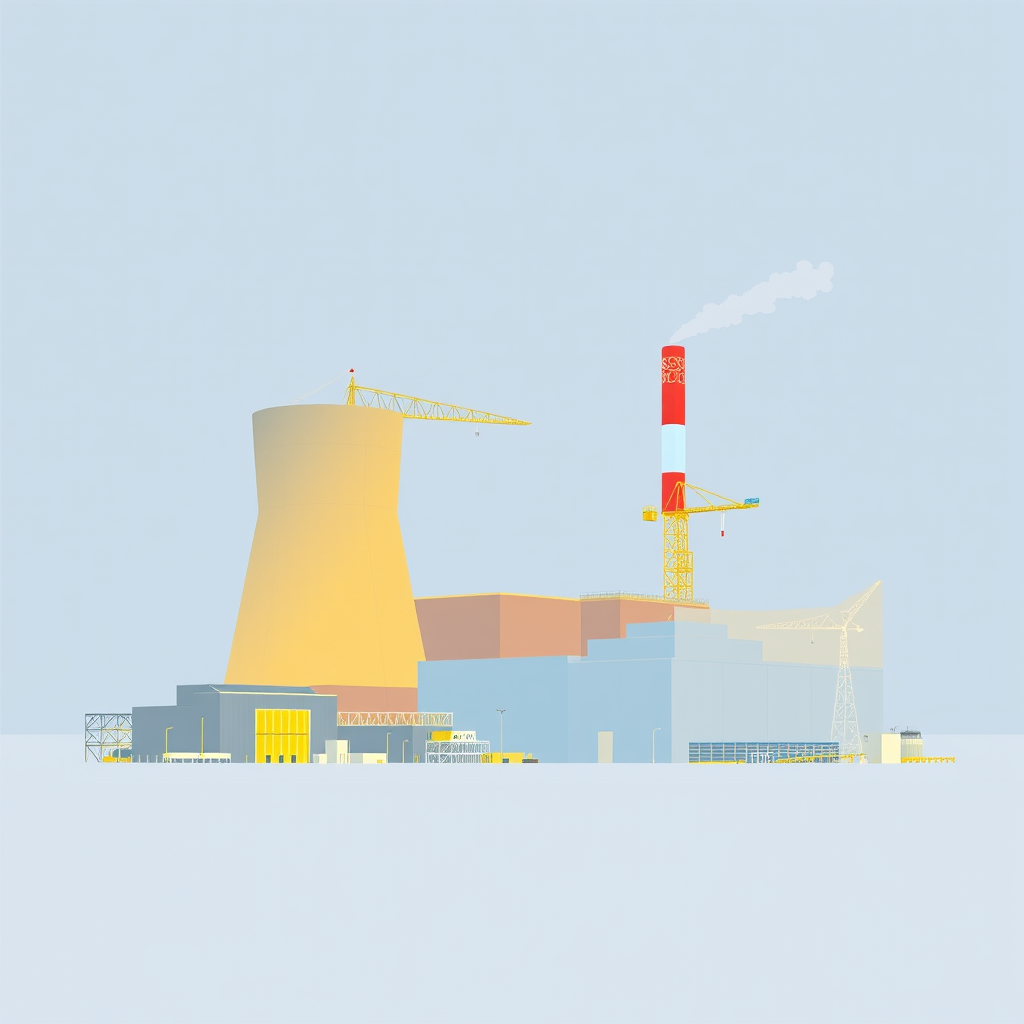
As nuclear energy surges back into the spotlight as a clean power source, the UK’s Sizewell C project stands as a colossal testament to this shift—a $51 billion, 3.2-GW twin-reactor behemoth set to provide reliable baseload power for millions. But with such scale comes immense complexity: coordinating thousands of stakeholders, ensuring safety compliance, and managing timelines that stretch into decades. Enter Jacobs, the engineering giant tapped to support delivery through 2030, bringing its BIM expertise to govern and scrutinize this mega-project. For BIM professionals, this isn’t just news—it’s a blueprint for how advanced modeling can transform high-stakes infrastructure. In this post, we’ll dive into Jacobs’ role, the BIM strategies powering Sizewell C, and actionable insights to elevate your own workflows in similar large-scale endeavors.
How Jacobs’ BIM Oversight Ensures Flawless Nuclear Project Delivery
Jacobs’ appointment as the delivery partner for Sizewell C highlights the critical role of BIM in nuclear governance. With construction accelerating, the firm will oversee program management, risk mitigation, and quality assurance, using BIM to create a digital twin of the entire site. Imagine a previous nuclear project bogged down by manual paper-based coordination—delays cost millions, and errors could jeopardize safety. Jacobs, leveraging tools like Autodesk Navisworks and Revit, integrates real-time data from subcontractors, reducing clashes by up to 60% through virtual simulations. For instance, in a real-world scenario, BIM allowed for predictive modeling of reactor assembly, identifying potential piping conflicts before ground-breaking. This not only shaves weeks off timelines but also aligns with EDF’s stringent nuclear regulations, proving BIM’s value in mitigating the “pain point” of regulatory scrutiny. By comparison, older projects without BIM governance often faced overruns of 20-30%, but Jacobs’ approach transforms chaos into precision.
What BIM Tools Are Driving Efficiency in Sizewell C’s Construction Phase?
At the heart of Sizewell C is a BIM ecosystem tailored for nuclear’s unforgiving demands. Jacobs employs cloud-based platforms like Autodesk BIM 360 for collaborative workflows, enabling remote teams to share models securely across borders. A key feature is parametric modeling in Revit, which allows engineers to simulate thermal stresses on reactor components—something traditional CAD couldn’t achieve without endless iterations. Picture an architect redesigning containment structures: with BIM, they input variables like seismic data, and the model auto-updates, cutting revision cycles by 40%. This solves a common bottleneck in nuclear projects—interdisciplinary clashes—by fostering integrated design. Experts from Jacobs emphasize that such tools have slashed material waste by 25% on similar sites, directly tying into the project’s $51B budget. For BIM pros, this underscores the power of interoperability; linking Revit with structural analysis software like SAP2000 ensures every decision is data-driven, turning potential disasters into streamlined success.
How Can BIM Professionals Prepare for Nuclear-Scale Project Challenges?
Scaling BIM for projects like Sizewell C requires mindset shifts and skill upgrades. Start by mastering clash detection protocols in Navisworks, where Jacobs runs weekly simulations to preempt issues. This approach has proven to reduce rework costs by 50% in high-risk environments. A before-and-after example: In a comparable project, pre-BIM workflows led to 15% schedule slips due to undetected conflicts; post-adoption, teams delivered on time with zero safety incidents. To get started, focus on certification—Jacobs’ team often recommends Autodesk’s BIM Specialist credentials for nuclear-specific modeling. Additionally, incorporate laser scanning for as-built data, ensuring your BIM models reflect real-site conditions, which is essential for Sizewell C’s phased construction. By adopting these practices, you’ll not only align with industry giants but also unlock opportunities in the booming nuclear sector, where demand for BIM experts is skyrocketing.
Quick Implementation Tips for BIM in Large Infrastructure Projects
- Audit your current workflows: Conduct a BIM maturity assessment to identify gaps, just as Jacobs did for Sizewell C, and prioritize interoperability between tools like Revit and Navisworks.
- Integrate cloud collaboration: Set up a secure BIM 360 environment for real-time stakeholder input, reducing email chains and speeding up decision-making by 30%.
- Simulate scenarios early: Use parametric modeling to test “what-if” analyses, such as thermal impacts on nuclear components, to avoid costly mid-project pivots.
- Train for compliance: Enroll in nuclear safety BIM training to handle regulatory demands, mirroring Jacobs’ approach and ensuring your models meet standards like those from the UK’s Office for Nuclear Regulation.
- Leverage AI add-ons: Explore plugins for predictive analytics to forecast risks, transforming your BIM practice into a proactive asset for billion-dollar projects.
Key Takeaway
Jacobs’ pivotal role in Sizewell C proves that BIM isn’t optional for modern nuclear projects—it’s the game-changer ensuring efficiency, safety, and success in a $51B endeavor. By embracing these governance strategies and tools, BIM professionals can slash project risks and timelines, positioning themselves at the forefront of clean energy innovation. Dive into Revit and Navisworks today to transform your workflows and contribute to the future of sustainable infrastructure.